Viola Giuseppe Ornati
1921 – Milano
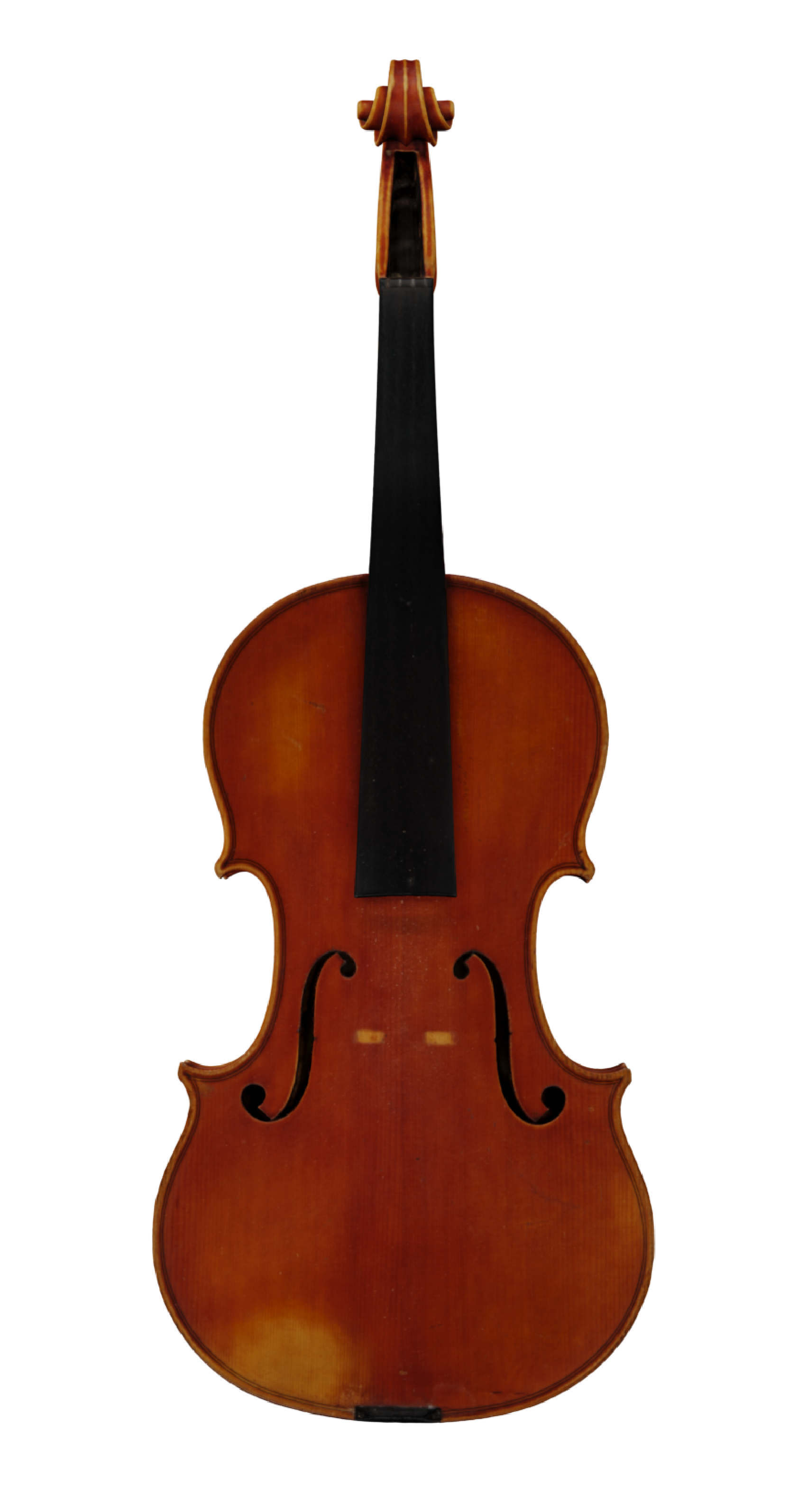
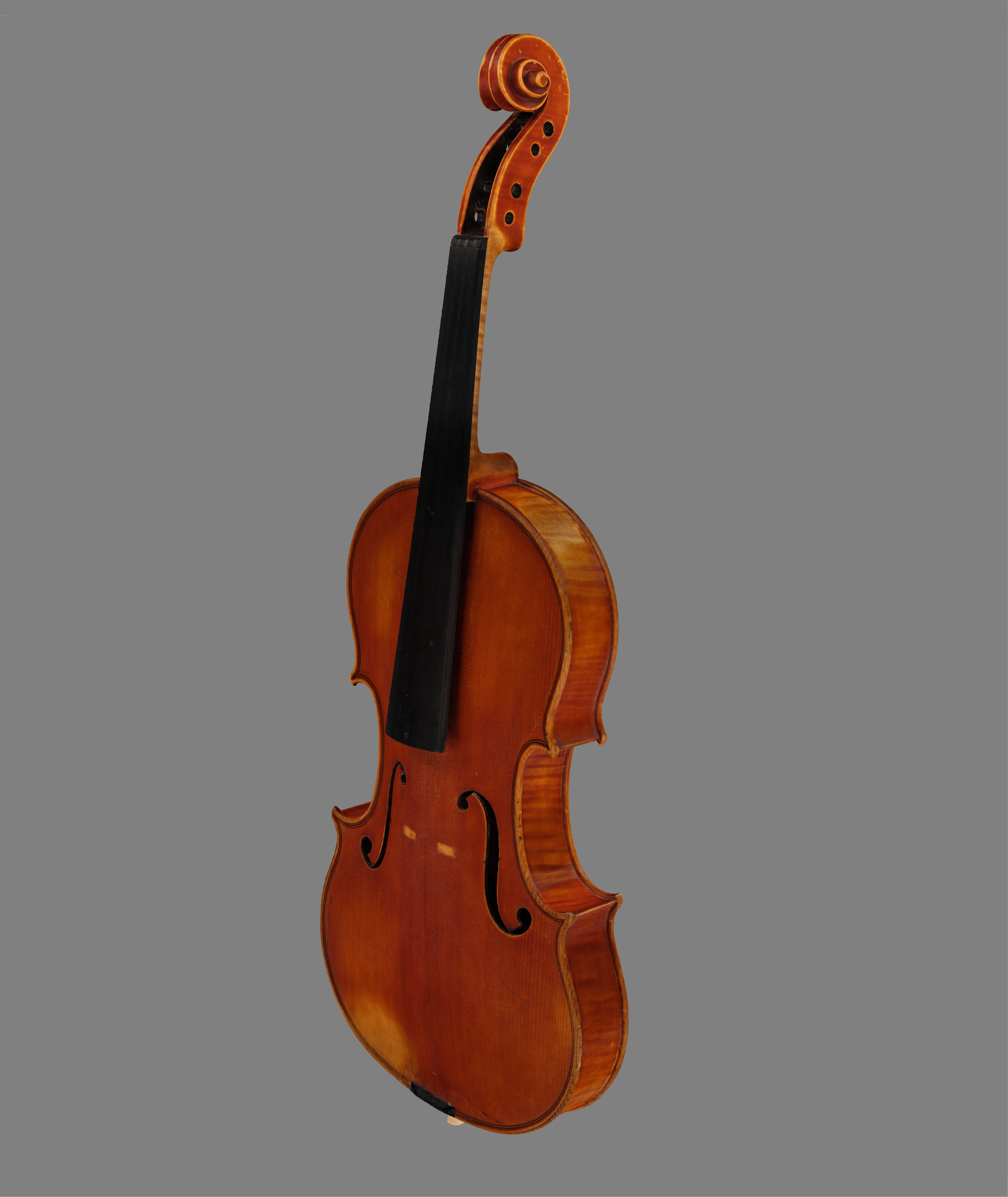
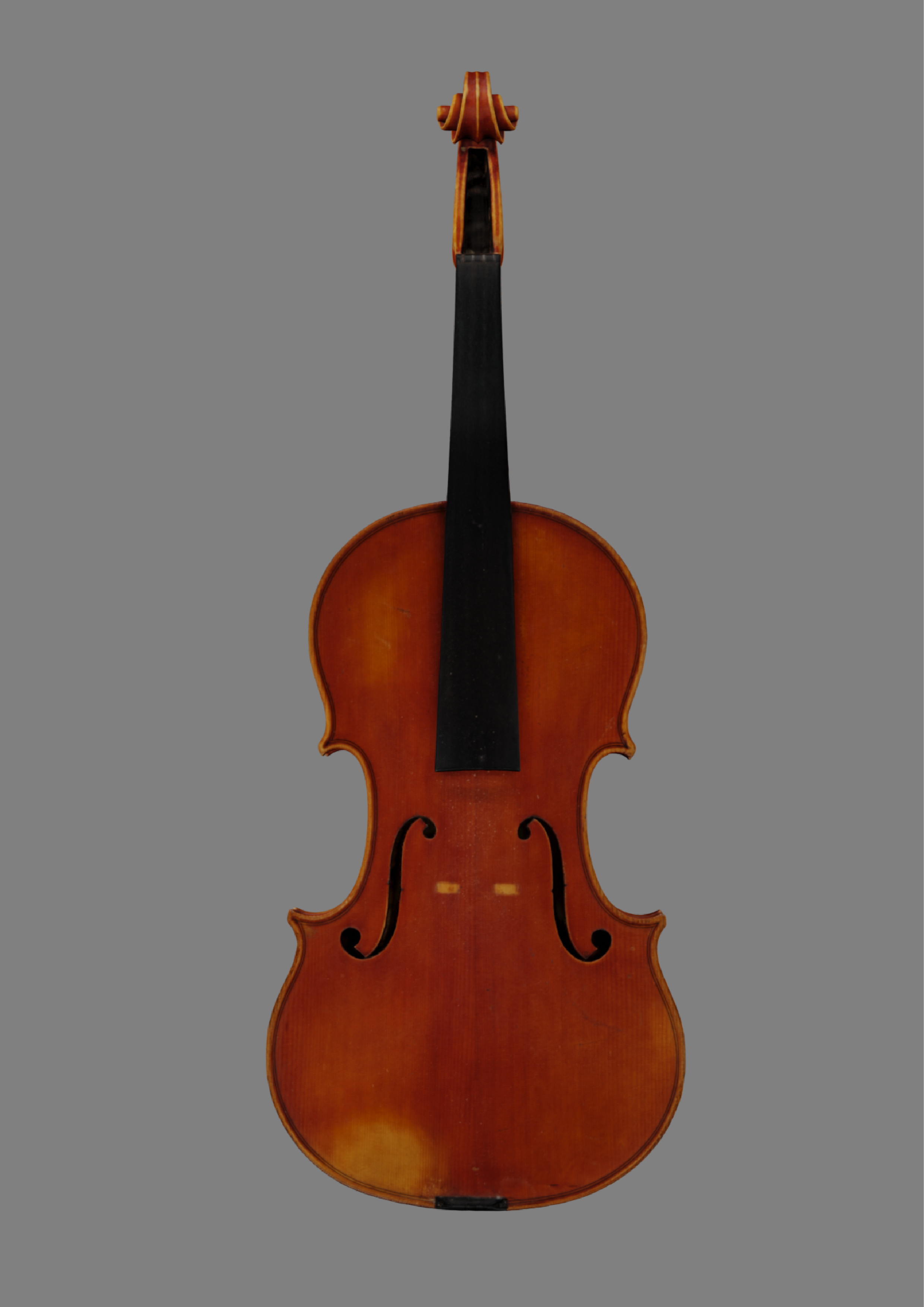
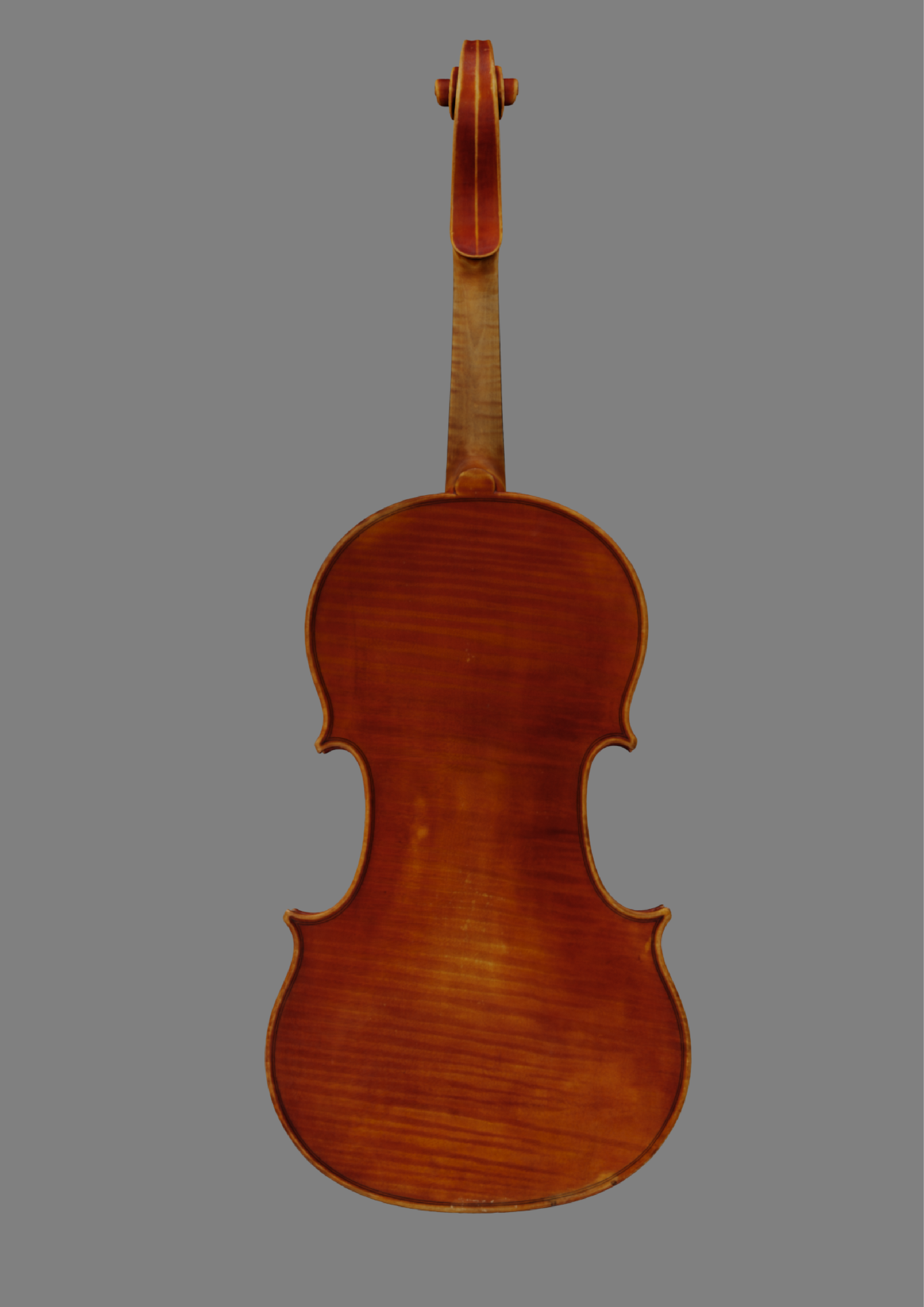
The 1921 viola you can admire in this 3D reproduction is one of the few violas produced by Giuseppe Ornati (1887 – 1965), who primarily focused on making violins.
Trained in Leandro Bisiach's workshop, Ornati had the opportunity to study a large number of classical Italian instruments. This significantly influenced the development of his personal style, which was strongly inspired by Stradivari's models.
The instrument is in excellent condition and is built with the attention to detail typical of the author and with shapes that give it a slender appearance despite the structure being rather robust.
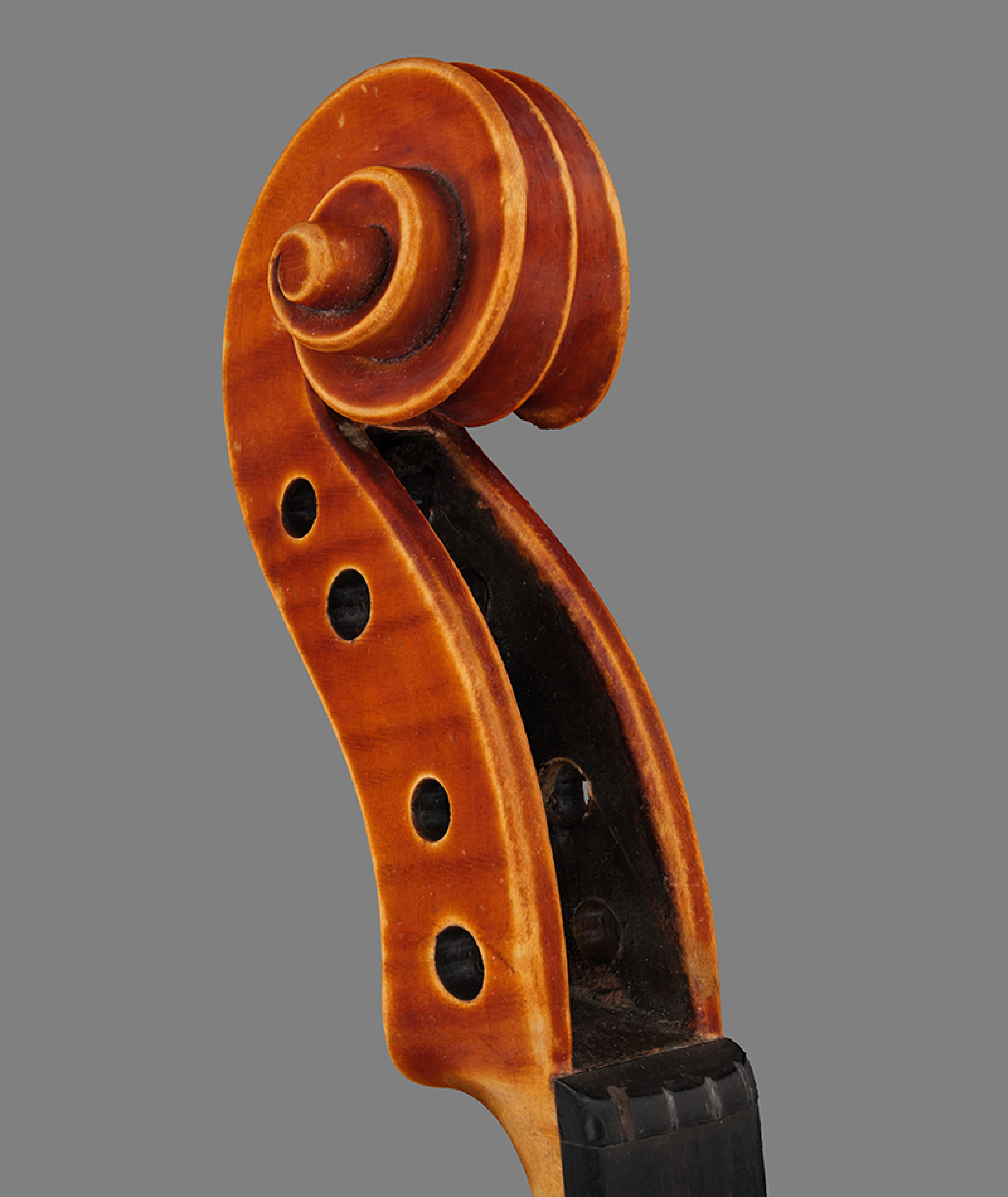
This violin's scroll particularly highlights its precise and clean craftsmanship. It appears accurate, refined, and at the same time, harmonious with gracefully soft curves.
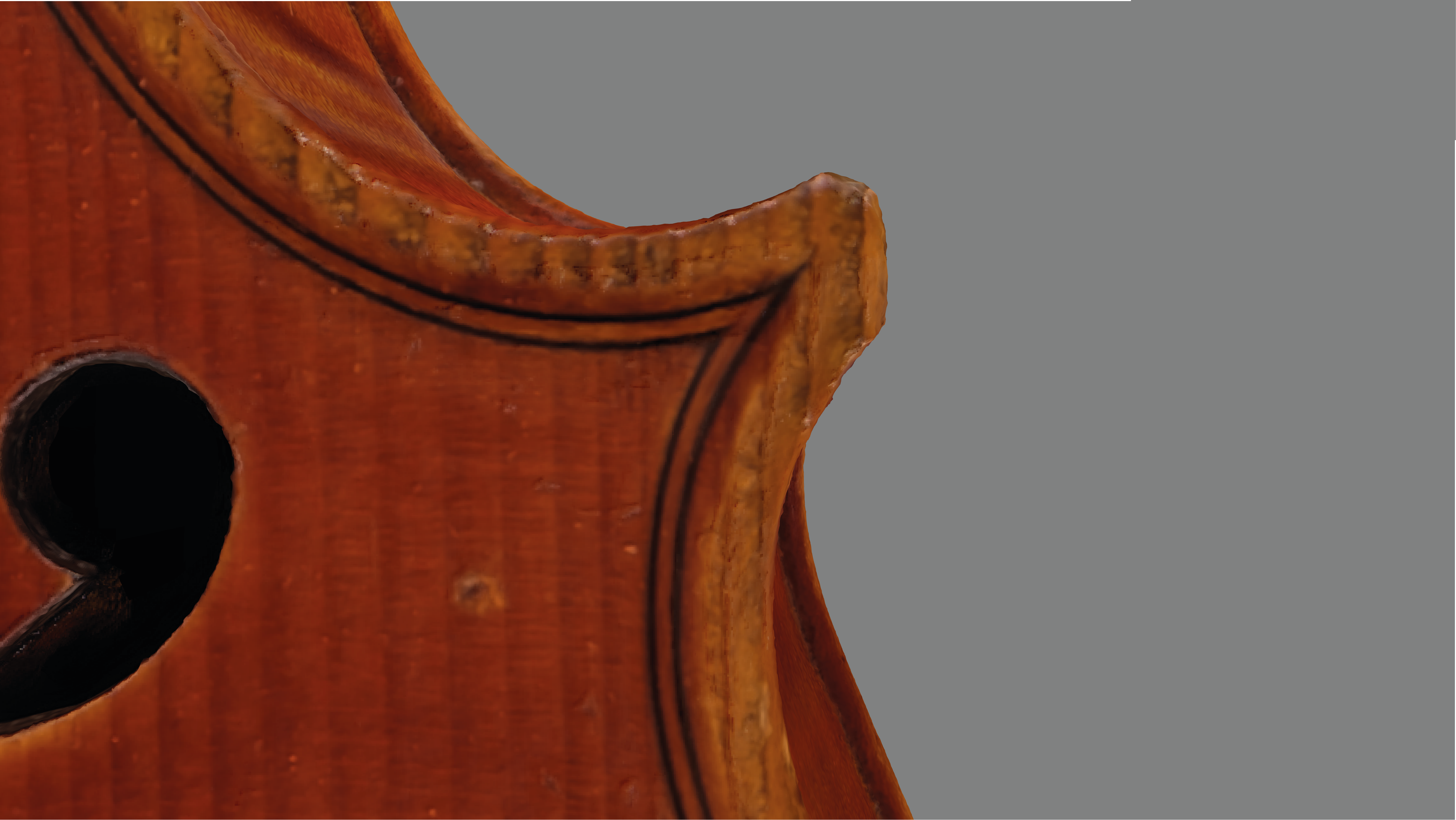
The varnish is typical of Ornati's work, characterized by its high transparency and a very evenly applied reddish-brown color. The edges of the body and the chamfers of the scroll are intentionally left lighter, revealing the golden-yellow ground beneath the varnish.
Courtesy of Maestro Gabriele Negri
Viola Giuseppe Ornati
1921 – Milano
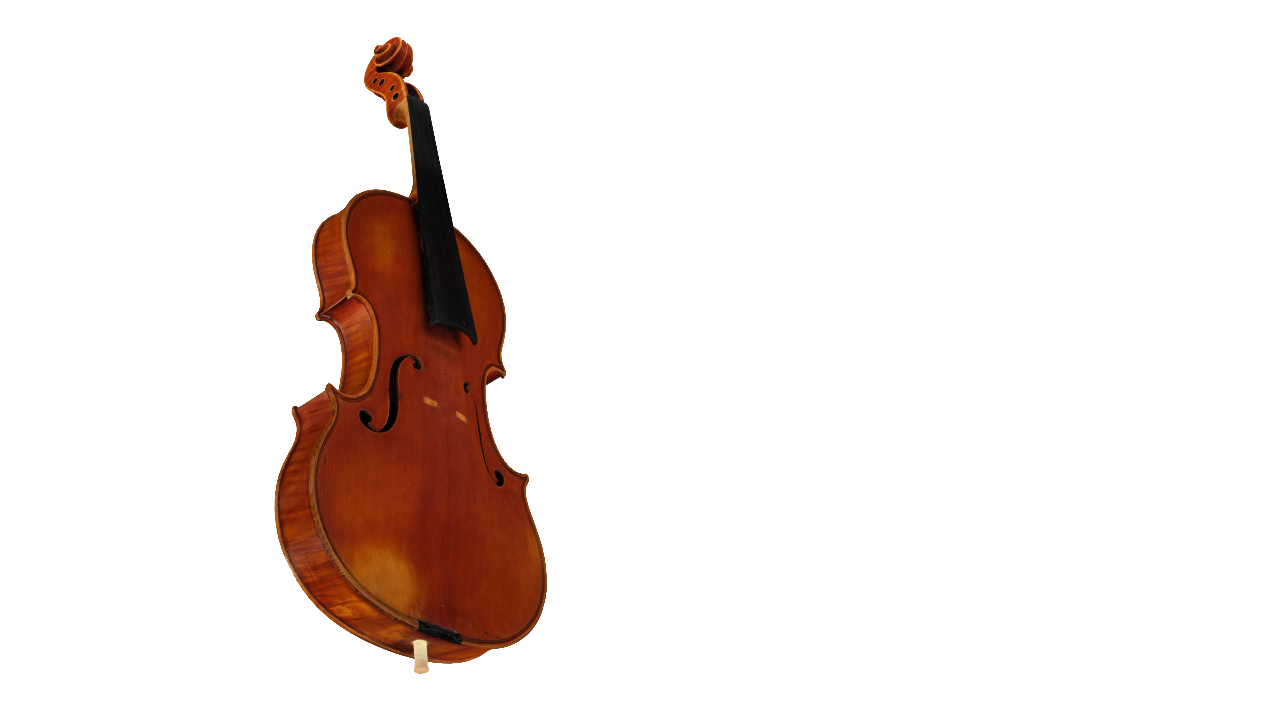
The 1921 viola you can admire in this 3D reproduction is one of the few violas produced by Giuseppe Ornati (1887 – 1965), who primarily focused on making violins.
Trained in Leandro Bisiach's workshop, Ornati had the opportunity to study a large number of classical Italian instruments. This significantly influenced the development of his personal style, which was strongly inspired by Stradivari's models.
The instrument is in excellent condition and is built with the attention to detail typical of the author and with shapes that give it a slender appearance despite the structure being rather robust.
This violin's scroll particularly highlights its precise and clean craftsmanship. It appears accurate, refined, and at the same time, harmonious with gracefully soft curves.
The varnish is typical of Ornati's work, characterized by its high transparency and a very evenly applied reddish-brown color. The edges of the body and the chamfers of the scroll are intentionally left lighter, revealing the golden-yellow ground beneath the varnish.
Courtesy of Maestro Gabriele Negri